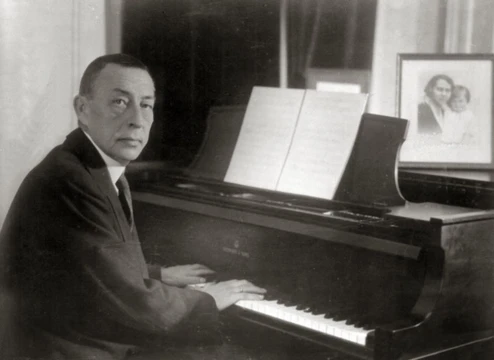
Rudolf Serkin
Bohemian-born pianist, renowned Beethoven interpreter and educator.

He is widely regarded as one of the greatest Beethoven interpreters of the 20th century.
- field
- Classical pianist
- nationality
- Bohemian-born Austrian-American
- known_for
- Interpretation of Beethoven; co-founder of Marlboro Music School and Festival
Lore & Background
His father, a former Russian basso, taught him to read music before words. 5. He recorded extensively, including Beethoven's Piano Concerto No. pianist to record Max Reger's Piano Concerto.
Reader's Guide
Rudolf Serkin's significance lies in his profound influence on 20th-century piano performance and pedagogy. His interpretations of Beethoven, particularly the Fourth Piano Concerto, were praised for combining analytical depth with emotional warmth. As a teacher and director at the Curtis Institute, he shaped generations of pianists. His recordings, spanning from the 1940s to the 1980s, document a career marked by technical precision and artistic integrity. Serkin's legacy endures through his recordings, his students, and the institutions he helped build.
Did You Know?
- Serkin's father taught him to read music before he could read words.
- At his Berlin debut, he played the Goldberg Variations as an encore on a joke from Adolf Busch, leaving only four people in the audience.
Frequently Asked Questions
Who is Rudolf Serkin?
Rudolf Serkin was a Bohemian-born Austrian-American classical pianist whose career spanned roughly eight decades. He is best remembered as one of the twentieth century's foremost interpreters of Beethoven's piano repertoire.
What made Serkin's Beethoven recordings stand out?
His Beethoven sonatas and concertos are prized for their structural transparency, restrained emotionalism, and a sense of architectural logic that many listeners find unmatched. Critics and fellow musicians often cite his accounts as a reference point for how the music should be understood.
What was Serkin's connection to Marlboro?
He co-founded the Marlboro Music School and Festival in Vermont, a gathering where he coached and performed chamber music with younger players. That teaching role became a defining second chapter of his career alongside his solo recitals.
More in Classical Virtuosos 1-24
Elsewhere in the Classical Virtuosos universe
Spotted an error? Know more?
This is a living reference — every entry is fact-audited, and reader corrections feed straight into our audit queue. Suggest an edit · See this site's audit record