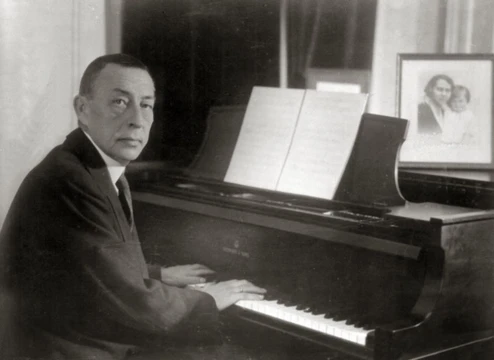
Pablo de Sarasate
Spanish virtuoso violinist and composer of the Romantic period.

He is best known for works such as Zigeunerweisen (Gypsy Airs), the Spanish Dances, and the Carmen Fantasy, which remain staples of the violin repertoire.
- field
- Violinist, composer, conductor
- nationality
- Spanish
- known_for
- Zigeunerweisen, Spanish Dances, Carmen Fantasy
Lore & Background
He began studying the violin with his father at age five and appeared in his first public concert at age eight in La Coruña. A wealthy patron funded his studies in Madrid, where he gained the favor of Queen Isabella II. At age twelve, his parents sent him to study under Jean-Delphin Alard at the Paris Conservatoire. En route, his mother died of a heart attack at the Spanish-French border, and Sarasate suffered from cholera; the Spanish Consul in Bayonne nursed him back to health and financed his trip. At seventeen, he won the Premier Prix, the Conservatoire's highest honor. He toured extensively in Europe, North America, and South America. His playing was noted for purity of tone and impressive facility of execution. He also made arrangements and composed variations on opera themes. He returned to Pamplona each year for the San Fermín festival. The Pablo Sarasate International Violin Competition is held in Pamplona.
Reader's Guide
Sarasate's significance lies in his dual role as a virtuoso performer and composer whose works defined the Spanish violin style of the late 19th century. His compositions, such as Zigeunerweisen and the Carmen Fantasy, remain among the most performed showpieces for violin. His idiomatic writing for the instrument was praised by George Bernard Shaw, who noted that Sarasate 'left criticism gasping miles behind him.' The popularity of his Spanish-flavored compositions influenced contemporaries: Édouard Lalo's Symphonie espagnole was dedicated to Sarasate, and Camille Saint-Saëns wrote his Introduction and Rondo Capriccioso expressly for him. Many major works by other composers were dedicated to Sarasate, including Henryk Wieniawski's Violin Concerto No. 2, Max Bruch's Scottish Fantasy, and Alexander Mackenzie's Pibroch Suite. His legacy endures through the competition named after him, his recordings, and the continued performance of his works. He also appears in cultural works, including a portrait by James Whistler and references in stories by Arthur Conan Doyle and Edith Wharton.
Did You Know?
- His mother died of a heart attack at the Spanish-French border while accompanying him to Paris, and Sarasate himself suffered from cholera on the same journey.
- George Bernard Shaw said of Sarasate that he 'left criticism gasping miles behind him.'
Frequently Asked Questions
What are Pablo de Sarasate's most famous works?
His signature compositions include Zigeunerweisen (Gypsy Airs), the Spanish Dances, and the Carmen Fantasy. These pieces remain core staples of the solo violin repertoire to this day.
What roles did Pablo de Sarasate hold in the classical music world?
He functioned simultaneously as a performing virtuoso on the violin, a composer of original works, and a conductor leading orchestras.
Why is Pablo de Sarasate considered important in classical music history?
By weaving Spanish and Romani musical idioms into his violin writing, he gave the instrument a vivid national and folk character that still resonates in concert halls worldwide. His works remain essential study and performance material for violinists.
More in Classical Virtuosos 1-24
Elsewhere in the Classical Virtuosos universe
Spotted an error? Know more?
This is a living reference — every entry is fact-audited, and reader corrections feed straight into our audit queue. Suggest an edit · See this site's audit record