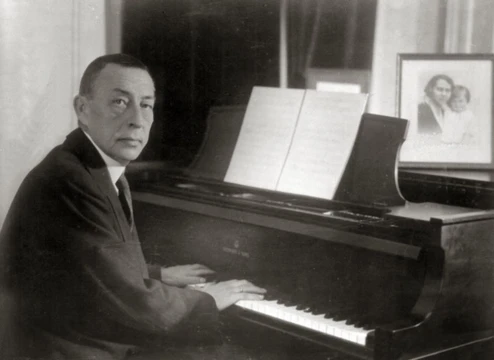
Mischa Elman
Russian-American violinist famed for passionate style and beautiful tone.

Mischa Elman was a Russian-American violinist famed for his passionate style, beautiful tone, and impeccable artistry and musicality. Born in the Russian Empire to a Jewish family, he rose from child prodigy to international concert star, performing extensively in Europe and the United States. His recorded legacy spanned more than six decades, from 1906 to 1967.
- born
- January 20, 1891, Talnoye, Umansky Uyezd, Kiev Governorate, Russian Empire
- died
- April 5, 1967, Manhattan, New York City, USA
- field
- Classical violin
- nationality
- Russian-American
- known_for
- Passionate style, beautiful tone, impeccable artistry and musicality
Verified Timeline
Lore & Background
Mischa Elman was born Moses or Moishe Elman to a Jewish family in Talnoye, Umansky Uyezd, Kiev Governorate, Russian Empire (today Talne, Ukraine). His grandfather Yosele Elman was a klezmer violinist, and his father Shevel-Shloime Iosifovich Elman was a melamed and amateur violinist. Showing perfect pitch at a very young age, Elman was given a miniature violin and soon learned several tunes by himself. He studied at the Imperial Academy of Music in Odessa, and after a recommendation from Pablo de Sarasate, he auditioned for Leopold Auer at age 11, playing the Wieniawski Concerto No. 2 and Paganini's 24th Caprice. Auer was so impressed that he had Elman admitted to the St. Petersburg Conservatory. As a boy, Auer arranged for Elman to play with the famous Colonne Orchestra during their visit to Pavlovsk. Conductor Édouard Colonne, unaware of Elman's age, initially refused to conduct for a child prodigy, saying 'I have never yet played with a child, and I refuse to start now.' Elman performed with piano accompaniment instead, but after hearing him play, Colonne invited him to perform with the Orchestre Colonne in Paris four months later. Elman made his Berlin debut in 1904, his London debut in 1905 (including the British premiere of Alexander Glazunov's Violin Concerto in A minor), and his Carnegie Hall debut in 1908, all to great success. He became a U.S. citizen in 1923 and sometimes performed as many as 107 concerts in a 29-week season.
Reader's Guide
Mischa Elman's significance lies in his long career as a virtuoso violinist whose recorded legacy spanned more than six decades. He made his first 78 rpm discs for Pathé in Paris in 1906 and his final LP sessions for Vanguard in New York in 1967. The greater part of his discography was recorded for Victor Talking Machine Company/RCA Victor, with whom he had an exclusive relationship through 1950. Sales of his records exceeded two million. He gave the premiere of Bohuslav Martinů's second concerto in 1943, which was written for him. A frequent accompanist in chamber works during his early American career was Emmanuel Bay, who was born on exactly the same day as Elman, January 20, 1891. From 1950, his steady accompanist and recital partner was Joseph Seiger. He also briefly performed and made recordings with the Mischa Elman String Quartet. Elman died in his apartment on April 5, 1967, in Manhattan, New York City, a few hours after completing a rehearsal with Seiger. He is buried in the Westchester Hills Cemetery in Hastings-on-Hudson, New York.
Did You Know?
- Elman's grandfather Yosele was a klezmer, a Jewish professional traditional musician who played the violin.
- At age 11, Elman auditioned for Leopold Auer by playing the Wieniawski Concerto No. 2 and Paganini's 24th Caprice.
- Conductor Édouard Colonne initially refused to conduct for Elman, saying 'I have never yet played with a child, and I refuse to start now.'
- Elman sometimes performed as many as 107 concerts in a 29-week season.
- His frequent accompanist Emmanuel Bay was born on exactly the same day as Elman: January 20, 1891.
Early Life & Musical Awakening
Moses Elman was born on January 20, 1891, in Talnoye, Umansky Uyezd, Kiev Governorate, Russian Empire (today Talne, Ukraine), into a Jewish family where music ran through the veins. His grandfather Yosele Elman was a klezmer, a Jewish professional traditional musician who played the violin, and his father Shevel-Shloime Iosifovich Elman was a melamed and amateur violinist. The boy's perfect pitch announced itself when he was very young, yet his father hesitated about a career as a musician, since musicians were not very high on the social scale. He finally gave in and gave the child a miniature violin, on which young Mischa soon learned several tunes by himself. The family moved to Odessa, where he studied at the Imperial Academy of Music. Pablo de Sarasate gave him a recommendation, stating that he could become one of the great talents of Europe. At just eleven, Elman sat before Leopold Auer and played the Wieniawski Concerto No. 2 and Paganini's 24th Caprice. Auer was so impressed that he had Elman admitted to the St. Petersburg Conservatory.
The Colonne Refusal & Conquest of Europe
Still only a boy, Elman was set up by Auer to play with the famous Colonne Orchestra during their visit to Pavlovsk. Auer, aware of conductor Édouard Colonne's well-known hatred of child prodigies, deliberately withheld the young violinist's age. When Colonne saw young Mischa waiting to go on the platform, he realized he had engaged a child. He was furious and flatly refused to continue with the programme, retorting 'I have never yet played with a child, and I refuse to start now.' No amount of persuasion could budge him, and Elman was forced to perform with piano accompaniment while the conductor and orchestra sat listening. According to Elman: 'I was eleven at the time. When Colonne saw me, violin in hand, ready to step on the stage, he drew himself up and said with emphasis: "I play with a prodigy! Never!" Nothing could move him, and I had to play to a piano accompaniment. After he had heard me play, though, he came over to me and said: "The best apology I can make for what I said is to ask you to do me the honor of playing with the Orchestre Colonne in Paris." He was as good as his word. Four months later I went to Paris and played the Mendelssohn concerto for him with great success.' His momentum carried him through a Berlin debut in 1904 that created a great sensation, a London appearance in 1905 featuring the British premiere of Alexander Glazunov's Violin Concerto in A minor, and a Carnegie Hall performance in 1908 that made a great impression on his American audience. He toured Australia in the summer of 1914 before the outbreak of World War I drew him back to the United States.
A Career of Extraordinary Demands
Once established in America, Elman's schedule was staggering. In a single season he sometimes appeared in as many as 107 concerts over 29 weeks, a workload that speaks to both his physical stamina and the public's insatiable appetite for his playing. His artistry was not confined to the solo stage; he was deeply committed to chamber music. In his early American career, the pianist Emmanuel Bay—born on exactly the same day as Elman, January 20, 1891—was a frequent accompanist, and he also performed and recorded with Josef Bonime, Carroll Hollister, Wolfgang Rosé and others. From 1950 onward, Joseph Seiger became his steady accompanist and recital partner. Elman also briefly performed and made recordings with the Mischa Elman String Quartet. His repertoire stretched across centuries and styles, from Bach and Vivaldi to Tchaikovsky and Martinů. In 1943 he gave the premiere of Bohuslav Martinů's second concerto, which was written for him. His recorded output sold more than two million copies, and in 1917 the Phi Mu Alpha Sinfonia music fraternity elected him to honorary membership. He became a U.S. citizen in 1923.
A Recording Legacy & a Sudden End
Elman's discography spans an astonishing six decades. His earliest 78 rpm discs were cut for Pathé in Paris in 1906, and his final LP sessions took place for Vanguard in New York in 1967. The bulk of his output was made for the Victor Talking Machine Company/RCA Victor, with whom he had an exclusive relationship through 1950. After that, he recorded for Decca/London and later the Vanguard label. His catalog encompasses everything from Bach's E-major Concerto with John Barbirolli to Tchaikovsky's D-major Concerto with both Sir Adrian Boult and Barbirolli, from Sarasate's Zigeunerweisen to a rare duet with Enrico Caruso on Massenet's Élégie Mélodie. Yet a persistent frustration lingers: unlike the recordings of his contemporary Jascha Heifetz, which have been readily available on CD for years, Elman's discs have never been reissued on CD in a systematic manner. His life ended abruptly on April 5, 1967, in his Manhattan apartment, a few hours after completing a rehearsal with Seiger. He was buried at Westchester Hills Cemetery in Hastings-on-Hudson, New York.
Frequently Asked Questions
Who is Mischa Elman?
Mischa Elman was a Russian-American violinist who became one of the most celebrated concert performers of the early twentieth century. Born in 1891 in the Russian Empire, he went on to build a major international career before settling in the United States.
What made Mischa Elman's violin style stand out?
His playing was distinguished by a deeply passionate, emotionally charged approach paired with a remarkably warm and singing tone. Audiences and critics consistently praised his impeccable sense of musicality, which set him apart from many of his peers.
Where and when was Mischa Elman born?
He entered the world on January 20, 1891, in Talnoye, a town within the Kiev Governorate of the Russian Empire, into a Jewish family. He later emigrated and became a fixture of American concert life.
How did Mischa Elman's career unfold from start to finish?
Elman first emerged as a child prodigy in Russia before growing into an international touring star who performed extensively across both Europe and the United States. He remained active on the concert circuit until his death in Manhattan on April 5, 1967.
Why do classical music fans still talk about Mischa Elman today?
He is remembered as one of the most emotionally compelling violinists of his generation, prized for the richness and beauty of his sound. His reputation for heartfelt, artistically complete interpretations has kept his name firmly in the canon of great virtuosos.
More in Classical Virtuosos 1-24
Elsewhere in the Classical Virtuosos universe
Spotted an error? Know more?
This is a living reference — every entry is fact-audited, and reader corrections feed straight into our audit queue. Suggest an edit · See this site's audit record